Small Bathroom Ideas: Space-Saving Solutions
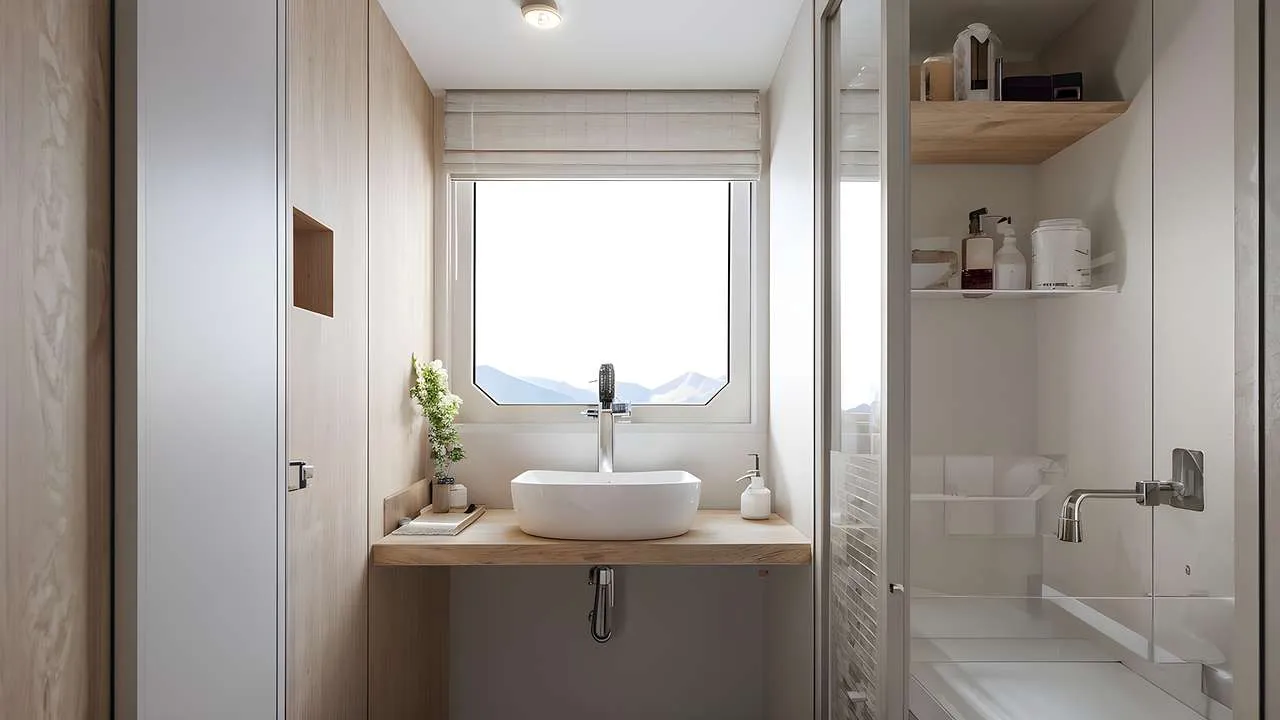
Small bathroom ideas are essential for creating a functional, calm, and stylish space when square footage is limited. This guide draws on practical design principles, expert tips, and proven layouts to help you maximize every inch without sacrificing comfort or aesthetics. Whether you are renovating a powder room or upgrading a compact family bath, thoughtful planning and smart choices can dramatically improve usability and mood.
Smart Principles for Small Bathrooms
In tight bathrooms, every decision counts. Start with clarity on how you use the space, then choose fixtures and finishes that enhance perception of space, ease of cleaning, and long-term durability. Emphasize scale, built-in storage, and reflective surfaces to bounce light and visually expand the room.
- Define a focal point, such as a large mirror or a glass shower enclosure, to draw attention and create depth.
- Choose wall-mounted or recessed storage to keep floors clear and reduce visual clutter.
- Opt for light colors and consistent materials to unify the space and improve brightness.
Layout and Fixtures: Space-Saving Choices
For small bathrooms, fixture selection profoundly impacts flow and usability. Consider these time-tested options that balance form and function.
Shower-First Designs
A glass-enclosed shower with a hinged or sliding door preserves openness far more than a bulky bathtub. If you have 60x90 cm or 80x110 cm footprints, a corner shower with a frameless door can feel expansive and inviting.
Compact Sinks and Vanities
Wall-mounted vanities, corner sinks, and pedestal bases reduce clutter beneath the counter and provide easier cleaning. A shallow basin and narrow depth help avoid crowding the room.
Bathtub Considerations
If a tub is essential, choose a compact slipper or alcove tub. In many small baths, a shower-tocombination or tub-to-shower conversion frees up floor space and makes daily routines more efficient.
Color, Lighting, and Finishes
Light tones and glossy or reflective surfaces create an airy feel. Use a single lighting scheme with layered lights (ambient, task, and accent) to avoid dark corners. Large, horizontally oriented mirrors visually widen the space, while frosted glass or acrylic partitions soften edges without breaking openness.
- Glossy wall tiles and a light grout reflect more light and resist mold growth when properly sealed.
- A vertically oriented tile pattern can create height, making ceilings feel taller.
- Clear glass shower doors prevent visual confinement and enhance the sense of space.
Storage and Organization
Smart storage is a cornerstone of small bathroom ideas. Combine recessed niches, floating shelves, and medicine cabinets to keep essentials within reach while maintaining a clean look.
- Recessed niches in the shower area hold shampoo and soap without protruding fixtures.
- Pull-out baskets and drawer dividers maximize inside vanities without increasing footprint.
- Over-toilet storage or wall-hung cabinets use vertical space efficiently.
Materials, Durability, and Maintenance
Durability matters in a high-moisture environment. Choose moisture-resistant substrates, non-slip flooring, and sealants designed for bathrooms. Quartz or porcelain surfaces offer longevity and easy maintenance, while large-format tiles minimize grout lines, reducing cleaning time.
Budget, DIY, and Professional Help
Small bathroom projects can range from quick cosmetic upgrades to full remodels. Start with a prioritized list: essential upgrades (ventilation, waterproofing, plumbing) followed by aesthetic improvements (color, fixtures, storage). If you are comfortable with plumbing or tiling, you can tackle low-cost, high-impact tasks like updated hardware, new mirrors, or re-grouting. For structural or plumbing changes, consult a licensed professional to protect EEAT standards and ensure code compliance.
Expert Tips and Common Pitfalls
Below are expert recommendations to avoid typical mistakes in small bathroom renovations.
- Ventilation is non-negotiable. A quiet, efficient fan prevents moisture buildup and mold.
- Avoid overly busy patterns on walls; they can make the space feel smaller. Prefer solid colors with a few accent tiles.
- Keep furniture scale appropriate to the room. Oversized vanities shrink the perceived space, even if they add storage.
- Plan for accessibility: consider grab bars and rounded edges near fixtures for safety and future-proofing.
Comparison: Layout Options for Small Bathrooms
| Layout | Footprint | Pros | Cons | Ideal For |
|---|---|---|---|---|
| Shower-Only Wet Zone | Small footprint (60x90 cm to 90x120 cm) | Maximizes floor space, open feel, easy cleaning | No tub for soaking; less storage below | Active lifestyles with focus on showering efficiency |
| Corner Glass Shower | Corner placement, glass enclosure | Visual expansion, light flow, minimal seams | Requires professional glass installation | Smaller baths needing a clean, modern look |
| Compact Vanity + Wall Sink | Wall-mounted or pedestal, shallow depth | Clear under-vanity space, easier cleaning | Limited countertop space for toiletries | Good balance of storage and openness |
| Tub-Shower Combo (Compact) | 60x120 cm or 70x140 cm | Versatile; can bathe and shower | Bulkier footprint; less perceived space | Families or guests require tub access |
When selecting a layout, measure your space carefully, consider door swings, and account for hinge radii and fixture clearances. A careful combination of one or two of these options often yields a highly functional bathroom that remains visually calm and cohesive.
Summary: Practical small bathroom ideas combine a thoughtful layout, compact fixtures, reflective surfaces, and clever storage to maximize function and style in limited spaces. By prioritizing essential upgrades, leveraging light and color, and planning for maintenance, you can create a bathroom that feels larger than its actual size while meeting everyday needs. Conclusion, with careful planning and quality materials, small bathrooms can be both highly usable and elegantly designed.