Repair of Roofing: Expert Guide
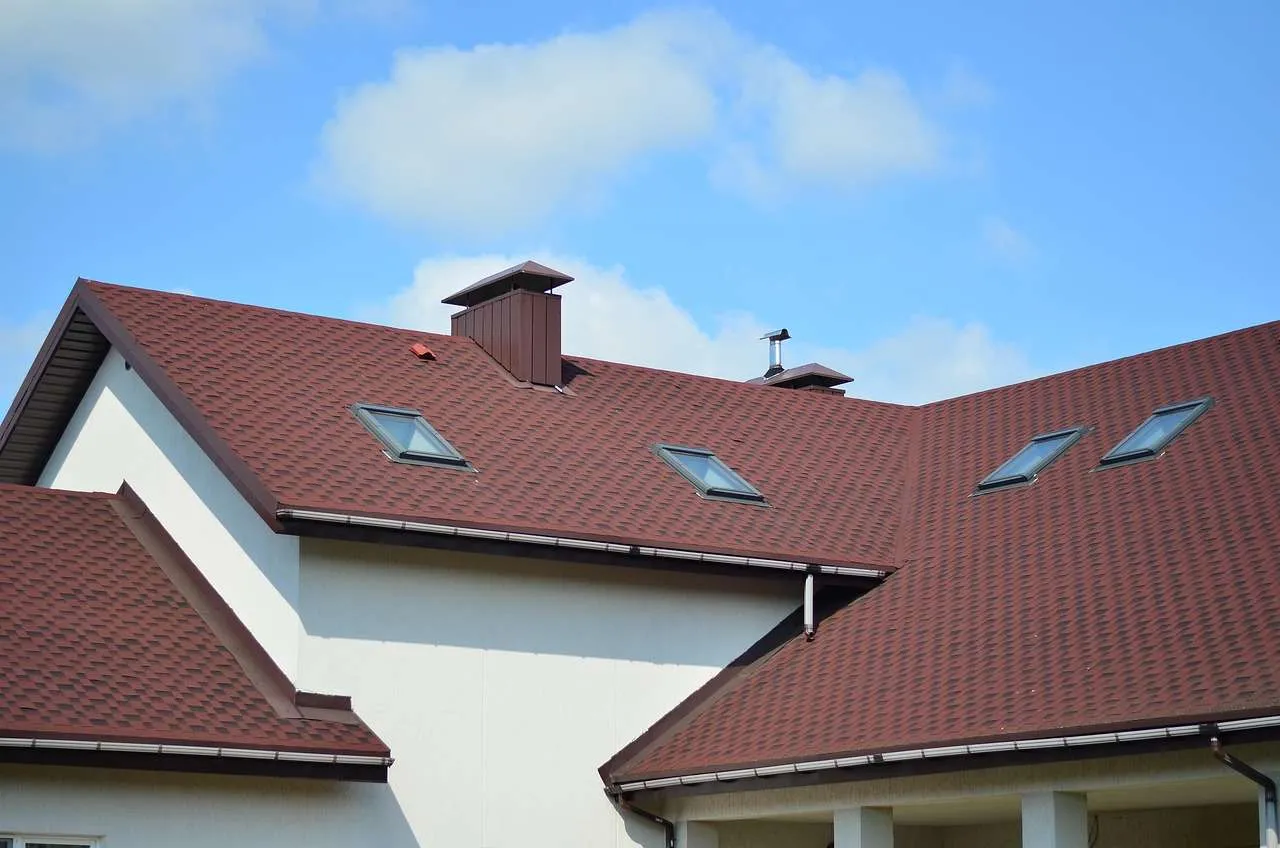
Introduction to the Repair of Roofing
Repair of roofing is a fundamental part of home maintenance. Whether you notice a small drip, missing shingles, or an aging roof, timely repairs protect your structure, preserve insulation, and prevent costly damage. This guide draws on decades of field experience, industry best practices, and safety standards to help homeowners understand when to repair, when to replace, and how to choose a qualified roofer. By combining practical steps with expert guidance, you can resolve issues efficiently while complying with local building codes and ensuring long-term durability.
When to Repair vs. When to Replace
The decision to repair or replace hinges on the extent of damage, roof age, and the potential for future leaks. Consider these guidelines:
- Localized issues like a single damaged shingle, a torn flashing, or a small leak may be resolved with a repair.
- Extensive damage, widespread shingle loss, sagging sections, or multiple leaks across the roof often indicate the need for replacement.
- Age matters: most asphalt roofs last 20–25 years; if your roof is near the end of its life, a repair may be only a temporary fix.
- Cost-benefit: compare the repair cost to a reasonable fraction of a full roof replacement when multiple repairs are required within a short span.
In all cases, an inspection by a licensed professional roofer provides a clear assessment. An expert can identify underlying issues such as compromised decking, poor ventilation, or damaged flashing that may not be visible from the ground.
Common Causes of Roof Damage
Understanding common damage helps prioritize repairs and extend roof life. Typical culprits include:
- Weather exposure: wind uplift, hail impact, heavy rain, and freezing cycles can loosen materials.
- Improper installation: insufficient flashing, inadequate attic ventilation, or poorly sealed penetrations.
- Aging components: worn shingles, deteriorating sealants, and rusted metal flashings.
- Tree contact: overhanging branches and debris trap moisture and abrade surfaces.
- Interior indicators: staining on ceilings, dark spots on walls, and mold growth signal roof penetration.
DIY Considerations and Safety
Some minor repairs can be attempted by a capable homeowner, but safety is paramount. Roof work carries fall risks and requires proper equipment, weather conditions, and understanding of load limits. Always wear protective gear, use secure ladders, and never work on a wet or icy surface. If you lack experience, or if the roof is steep or heavily damaged, hire a licensed professional. In addition, complex tasks such as replacing flashing, repairing underlayment, or re-nailing deck boards should be left to trained crews who can ensure a watertight result and code compliance.
Step-by-Step: Minor Roof Repairs
- Identify the source: trace leaks to the highest point and inspect for damaged shingles, flashing, or sealant failure.
- Prepare the area: clear debris, protect interior surfaces, and set up fall protection if you access the roof.
- Seal temporary leaks: for small pinholes or superficial cracks, use an appropriate roofing sealant or mastic on a dry surface.
- Replace damaged shingles: lift surrounding shingles, remove nails, and install new shingles with proper nails and sealant.
- Repair flashing: replace corroded or loose flashing, apply roof cement, and ensure tight joints with flashing tape or tar.
- Inspect after rain: monitor for any continued seepage and address promptly to avoid hidden damage.
Note: This section is for minor, surface-level issues. If you observe structural damage, widespread leaks, or compromised decking, stop and consult a professional to prevent further escalation.
Choosing a Professional Roofer
A professional roofer brings expertise, safety discipline, and warranties that protect your investment. When evaluating contractors, consider:
- Licensing and insurance: verify current state licenses and general liability/workers’ compensation insurance.
- Experience and references: review recent projects similar to yours and contact past clients for feedback.
- Written estimates: obtain itemized quotes, including materials, labor, disposal, and any roof repairs or replacements.
- Warranties: ask about workmanship warranties and manufacturer warranties on materials.
- Code compliance: ensure the contractor follows local building codes and obtains required permits if needed.
Cost Considerations, Warranties, and Maintenance
Repair costs vary with material type, roof size, accessibility, and the scope of work. For minor repairs, materials may be modest, but larger repairs or flashing work can escalate quickly. A reputable roofer will discuss anticipated costs, expected lifespan of repairs, and how ongoing maintenance affects longevity. Warranties offer protection against material defects and workmanship, typically ranging from 5 to 20 years depending on product and installer. Regular maintenance—clean gutters, trim overhanging branches, and inspect after severe weather—helps prevent costly emergency repairs.
Maintenance Tips to Prolong Roof Life
Extend the life of your roof with proactive care:
- Keep gutters clear to avoid water backing onto the fascia and soffits.
- Remove debris from the roof surface after storms to minimize moisture retention.
- Inspect flashing around chimneys, vents, and skylights annually and after heavy winds.
- Address moss, algae, or lichen promptly with appropriate cleaners and professional guidance.
- Ensure attic insulation and ventilation are adequate to prevent heat buildup and ice dams.
Comparison: DIY Repair vs Professional Repair
| Aspect | DIY Repair | Professional Repair |
|---|---|---|
| Cost | Lower upfront for materials; labor is your own | Higher upfront but includes labor and setup |
| Safety | Higher risk without gear and training | Lower risk with trained crew and fall protection |
| Quality | Variable; may not address hidden damage | Consistent, code-compliant, with warranty |
| Time | Typically faster for small tasks but longer if you’re learning | Efficient, with proper sequencing and cleanup |
| Permits and Codes | Often unclear; may require permits later | Handles permits and code compliance |
| Warranties | Usually none or limited | Workmanship and material warranties |
| Best Use | Minor leaks, cosmetic fixes, or immediate emergency needs | Major leaks, flashing replacement, or age-related wear |
Choosing between DIY and professional repair depends on the damage extent, your comfort with height and tools, and whether the roof’s structural components are involved. When in doubt, a quick consultation with a licensed roofer can save time and prevent further damage.
Conclusion and Final Advice
Repair of roofing is a skill that blends diagnosis, material knowledge, and safety. For most homeowners, small repairs and timely maintenance are cost-effective when handled promptly, while larger issues demand professional assessment and skilled workmanship. Prioritize safety, verify credentials, and seek clear warranties to protect your home investment. Regular inspections and preventative maintenance dramatically reduce emergency repair needs and extend the life of your roof.
Summary: This guide explains when to repair or replace, highlights common causes, offers a practical repair approach, and shows how to choose a professional roofer. With proper assessment, safe practices, and informed decisions, you can maintain a durable, leak-free roof for years to come.