Home Window Tinting: Benefits, Types & Guide
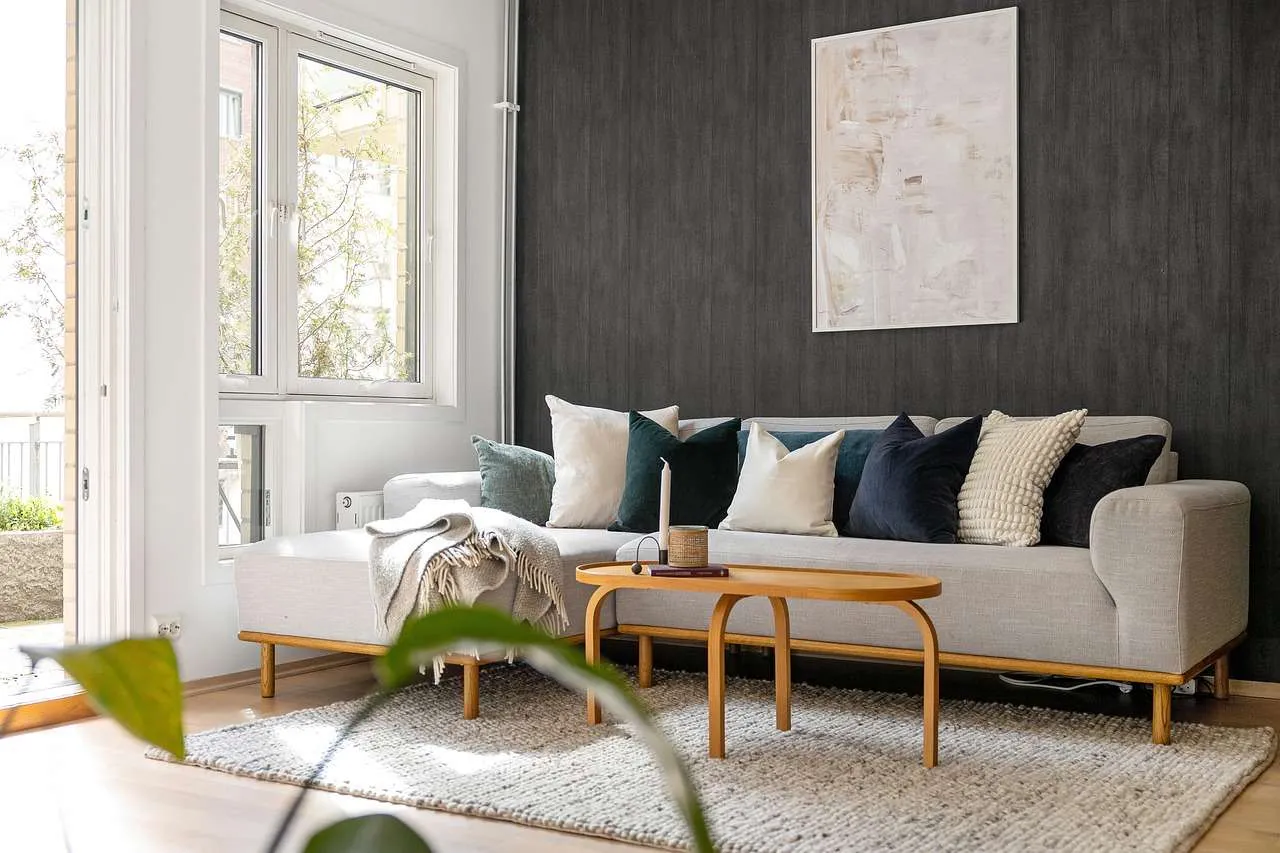
Home window tinting has moved from a luxury feature to a practical upgrade for comfort, energy savings, and protection. Whether you’re reducing heat on hot summer days, blocking harmful UV rays, or seeking greater privacy, the right window film can make a noticeable difference. This guide combines expert insight with practical steps to help homeowners choose the right tint, understand common film types, and work with qualified installers for durable results.
What is Home Window Tinting?
Home window tinting involves applying a thin film to the interior surface of glass panes. The film filters visible light, blocks a large portion of UV radiation, and reduces heat transfer. Tinting can be applied to new or existing windows and can dramatically alter a room’s comfort level, glare, and energy use. Regulations about tint darkness vary by location, so checking local rules before installation is essential.
Key Benefits
- Energy efficiency and heat reduction: Reduces cooling demand in warm climates and helps maintain more consistent indoor temperatures.
- UV protection: Blocks up to 99% of UV rays, helping protect furnishings, flooring, and skin.
- Glare control: Minimizes glare on screens and work surfaces, improving comfort for activities like reading and watching TV.
- Privacy and safety: Provides daytime privacy and adds a layer of shatter resistance when using certain films.
- Aesthetic and value: Enhances curb appeal with a sleek, uniform look and can contribute to long-term home value.
Common Tint Types
Different films offer varying levels of heat rejection, glare control, and aesthetics. Here is a quick overview to help you compare options:
| Type | Best For | Pros | Cons | Typical Cost Range (per sq ft) |
|---|---|---|---|---|
| Dyed Window Tint | Budget upgrades and privacy | Affordable; good for privacy; reduces glare | Limited heat rejection; can fade with time | $3–$6 |
| Metalized Film | High glare reduction and durability | Excellent heat rejection; durable | Potential interference with electronics; metallic look | $5–$8 |
| Carbon | Balanced appearance and performance | Strong heat rejection; non-reflective finish | Higher cost than dyed/type | $6–$10 |
| Ceramic | Premium performance and clarity | Excellent heat rejection; non-conductive; minimal color change | Higher upfront cost | $8–$15 |
| Hybrid | Balanced features at mid-range price | Good heat rejection; less reflectivity than metalized | Moderate cost | $5–$9 |
DIY vs. Professional Installation
Deciding between a DIY tint or hiring a professional hinges on window type, film quality, and desired longevity. DIY kits can be tempting for smaller projects or quick updates, but professional installation offers several advantages: precise cutting and alignment, bubble-free application, optimal heat rejection, and a warranty. Professionals also help navigate warranty requirements and local regulations. For large or multi-pane windows, tempered glass, or glass with coatings, a professional installation is strongly advisable to avoid damage and ensure uniform results.
How to Choose a Tint Installer
To hire confidently, look for these indicators of quality:
- Clear, written warranty covering film integrity and workmanship.
- Documented project sample portfolio with before/after photos.
- Certified installers or affiliation with reputable film brands.
- Transparent pricing and a thorough on-site measurement and consultation.
- Proper ventilation, safety equipment, and post-install care instructions.
Maintenance, Safety & Regulations
Maintenance is minimal: clean with a soft cloth and a mild soap solution, avoiding abrasive cleaners that can scratch film. Regular inspections help detect edge lifting or bubbling early. Check local regulations for maximum allowed window darkness (VLT) and ensure the tint complies with homeowner association rules if applicable. Some films may affect window operability or electronics, so discuss integration with smart home devices and any security concerns during the consult.
Myths vs. Facts
Myth: Darker tint always means better heat rejection. Fact: Heat rejection depends on film type and quality, not just darkness. Myth: Tint voids home insurance. Fact: Tinting itself typically does not void coverage, but damage repairs follow policy terms. Myth: DIY is always cheaper. Fact: Hidden costs from improper installation can negate savings; professional work often yields longer-lasting results and warranties.
Summary: Home window tinting offers meaningful energy savings, UV protection, glare control, and privacy. By choosing the right film type for your climate, verifying local regulations, and working with a qualified installer, you can maximize comfort and value while preserving your home’s aesthetics. Summary: Invest time in comparing film options, obtaining multiple quotes, and reviewing warranties to ensure a durable, legally compliant, and visually pleasing result.